
- August 2, 2025
- Posted by: admin
- Categories: Projects, Stories
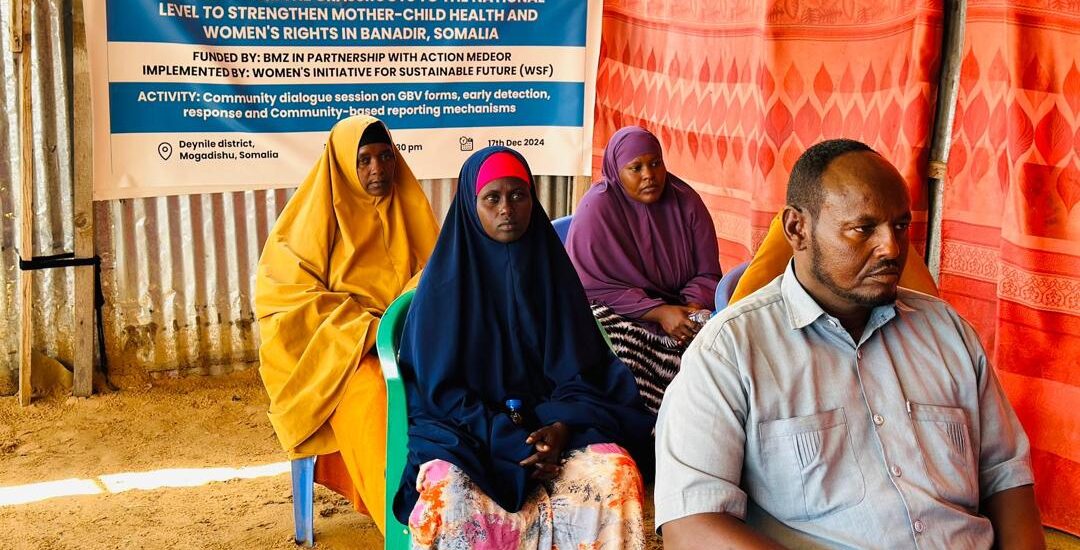
On December 17, 2024, the Women’s Initiative for Sustainable Future (WSF), in partnership with action medeor e.V. and BM, hosted a vital community dialogue session in Deynille, Somalia. This session focused on combating gender-based violence (GBV) by enhancing knowledge of its forms, early detection, effective responses, and establishing community-based reporting mechanisms.
Gender-based violence remains a severe challenge in Somalia. According to a 2024 UNFPA report, more than 98 percent of Somali women aged 15 to 49 have experienced female genital mutilation, which stands as one of the most widespread and harmful forms of GBV. In addition to FGM, many Somali women face domestic violence, forced marriage, sexual exploitation, and psychological abuse. The humanitarian situation worsens these risks, with over six million Somalis requiring assistance in 2024, according to the UN Office for the Coordination of Humanitarian Affairs (OCHA). Regions like Deynille, marked by displacement and limited services, experience the greatest gaps in protection.
Understanding and Detecting the Different Forms of GBV
During the community dialogue, participants from camp leadership and district administration explored the various types of gender-based violence prevalent in the Deynille district. They discussed not only physical abuse but also psychological and economic violence, early and forced marriages, and sexual exploitation. The session emphasized the importance of recognizing early signs of GBV. Early detection can prevent further harm by enabling timely support for survivors. Community members learned to identify subtle and overt indicators that someone may be experiencing violence.
The dialogue also focused on improving response mechanisms within the community to support GBV survivors. Attendees discussed ways to provide confidential, survivor-centered care that respects dignity and privacy. Emphasis was placed on clear referral pathways linking survivors to health services, legal assistance, and psychosocial support. The session encouraged communities to take active roles in responding to GBV cases, ensuring survivors feel safe and supported locally.
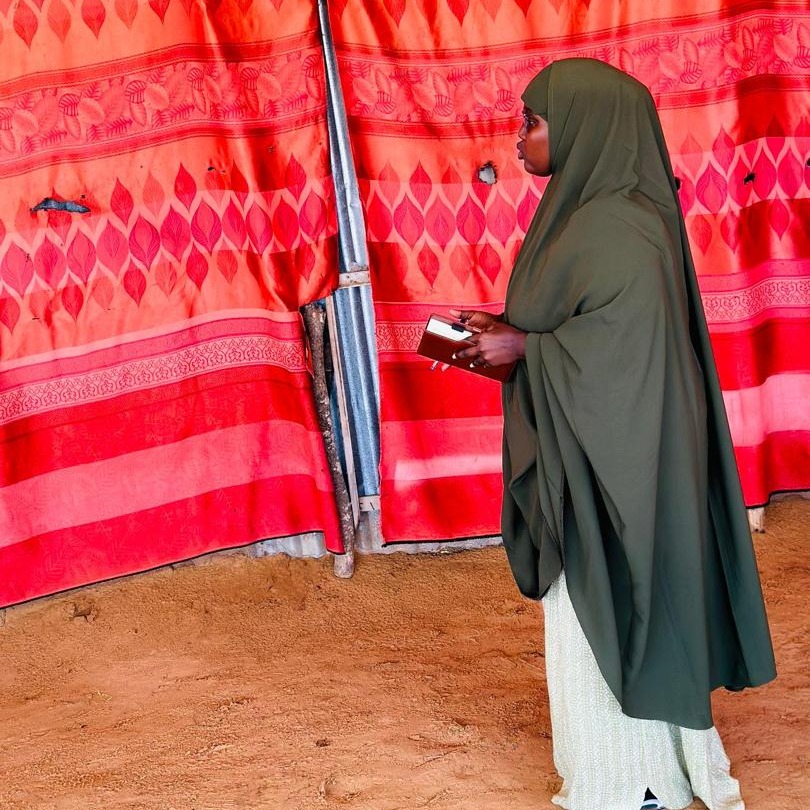
A key outcome of the session was the promotion of community-based reporting mechanisms. These locally managed systems allow survivors and witnesses to safely report incidents of GBV without fear of stigma or retaliation. Establishing accessible and trusted reporting channels improves data collection and accountability, which in turn informs better interventions. Participants acknowledged that such community ownership is essential for building safe environments and strengthening justice.
WSF’s Role in Strengthening Local Capacity Against GBV
This community dialogue reflects WSF’s ongoing commitment to empowering Somali communities to lead their own humanitarian responses. Unlike traditional aid models that often overlook local input, WSF prioritizes inclusive, women-led approaches that build trust and resilience. By engaging leaders and grassroots actors directly, WSF ensures that GBV prevention and response strategies are grounded in local realities and sustained over time.
The December 2024 dialogue in Deynille marks a significant step forward in Somalia’s fight against gender-based violence. By equipping community leaders with knowledge and practical tools, WSF helps close the gap between policy and practice. Supported by BMZ and action medeor, WSF’s approach exemplifies how localized, community-driven solutions can make a lasting difference in protecting vulnerable women and girls.
As Somalia continues to face humanitarian challenges, initiatives like this provide hope that survivors will no longer be invisible, and that safer, more just communities can emerge from collaboration, education, and empowerment.